Wisconsin
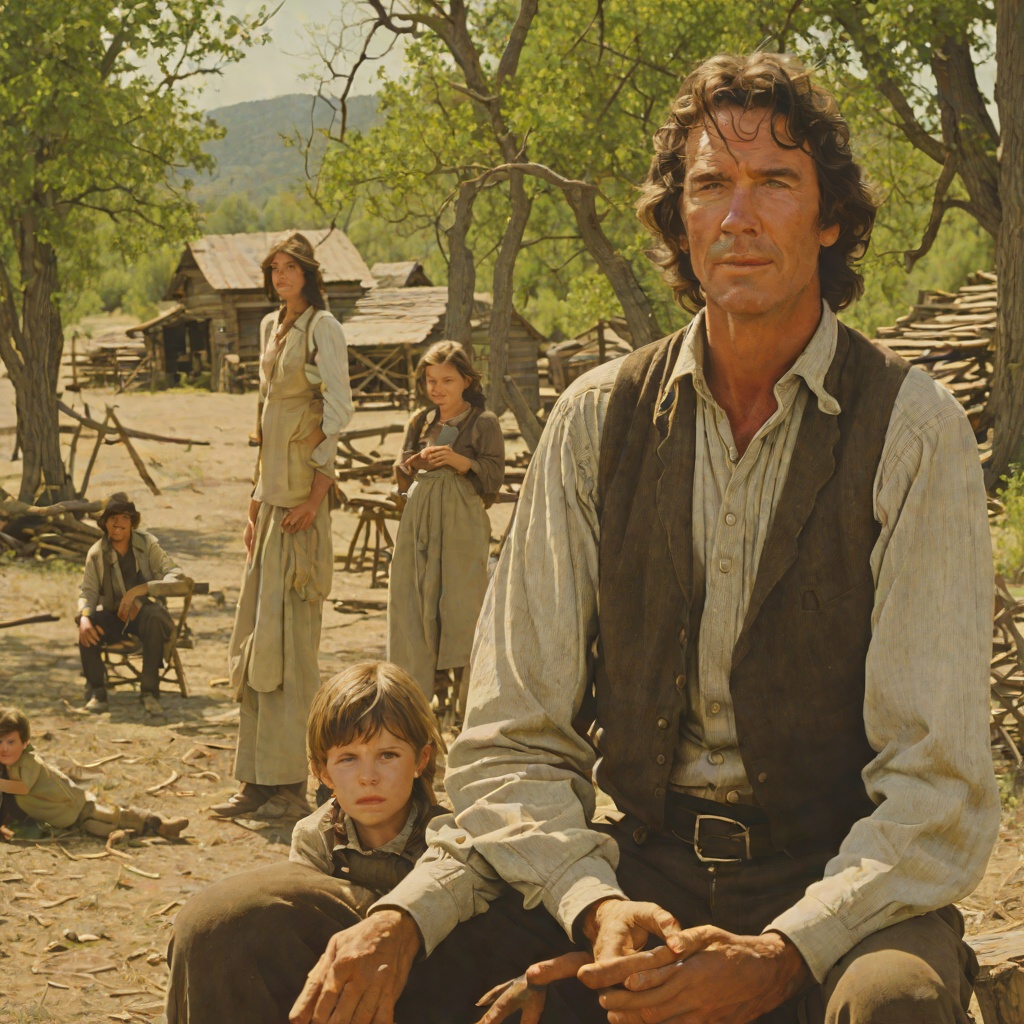
Little House on the PrairieWisconsin is the Ingalls family's point of origin, the settled home they leave behind in the opening chapter of the book. The story begins with Pa and Ma and Mary and Laura and Baby Carrie driving away from their little house there, leaving it "lonely and empty among the big trees," never to see it again. This departure is not a casual move but a deliberate rejection of a place that has become too crowded for Pa's tastes. He explains that there are too many people in Wisconsin now, and that wild animals do not stay in a country with so many people. He prefers a country where animals live without fear, where he can see them looking at him in the forest and eating fruit from the trees. Wisconsin, in contrast, represents the loss of that wildness, a land where the game has been driven away by settlement. The family's decision to leave is framed as a search for a place where the animals still run free and only Indians live, a vision that sets the entire westward journey in motion.
The Decision to Leave
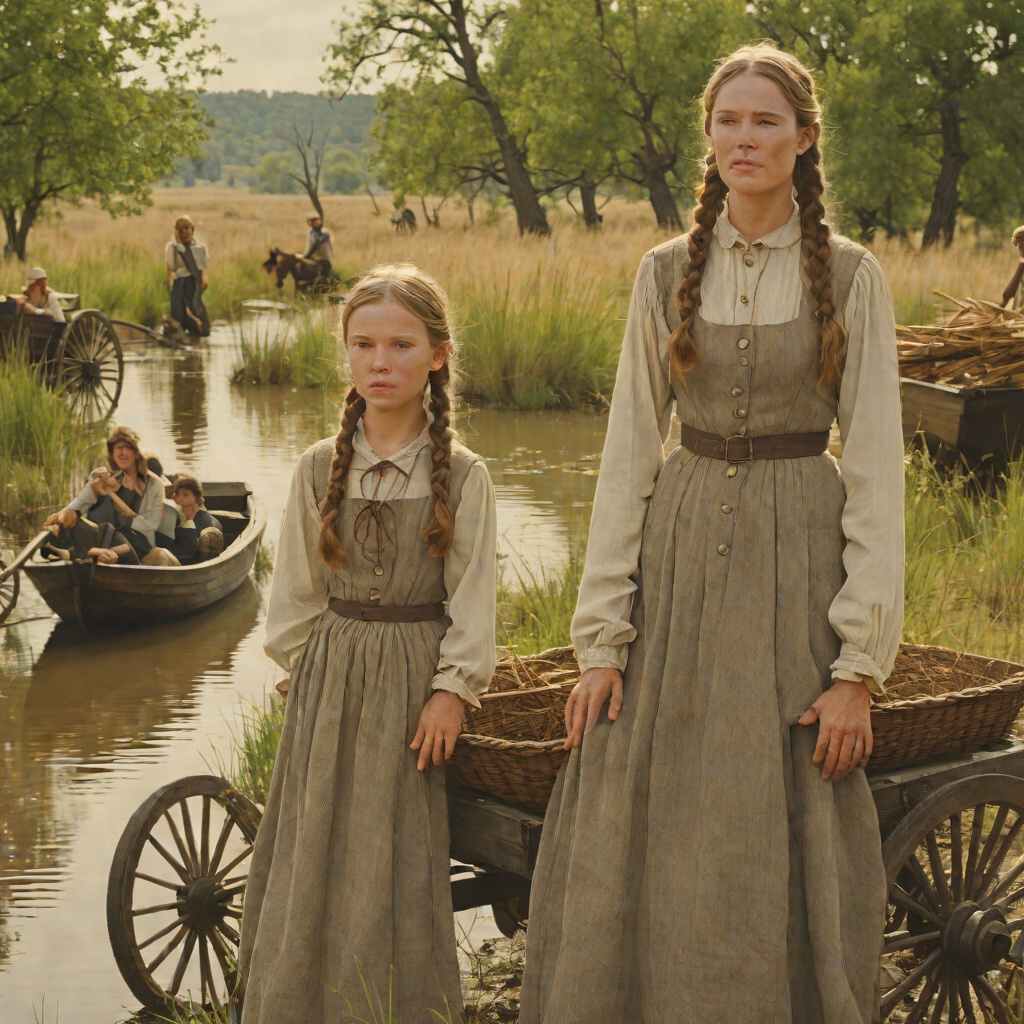
The choice to abandon Wisconsin is made during the long winter evenings, when Pa talks to Ma about the Western country. He paints a picture of a land that is flat, with grass growing thick and high, where animals run freely and there are no settlers. Ma is reluctant, asking if they must go now, pointing out that the weather is cold and their warm house is comfortable. Pa insists that if they are going that year, they must go immediately, because they cannot cross the Mississippi River after the ice breaks. This urgency shows that Wisconsin is not just a home but a place bound by seasons and rivers, and that leaving it is a race against time. Pa sells the little house, and with Ma's help makes a canvas cover for their wagon. They put everything into the wagon except their beds, tables, and chairs, because Pa can make new ones out West. The morning of their departure is still dark, and Ma gently shakes Mary and Laura awake, helping them dress warmly by the light of the fire. Grandmother, Grandfather, aunts, and uncles are all there to say good-bye, marking Wisconsin as a place of extended family and deep roots that they are choosing to sever.
The Journey Away
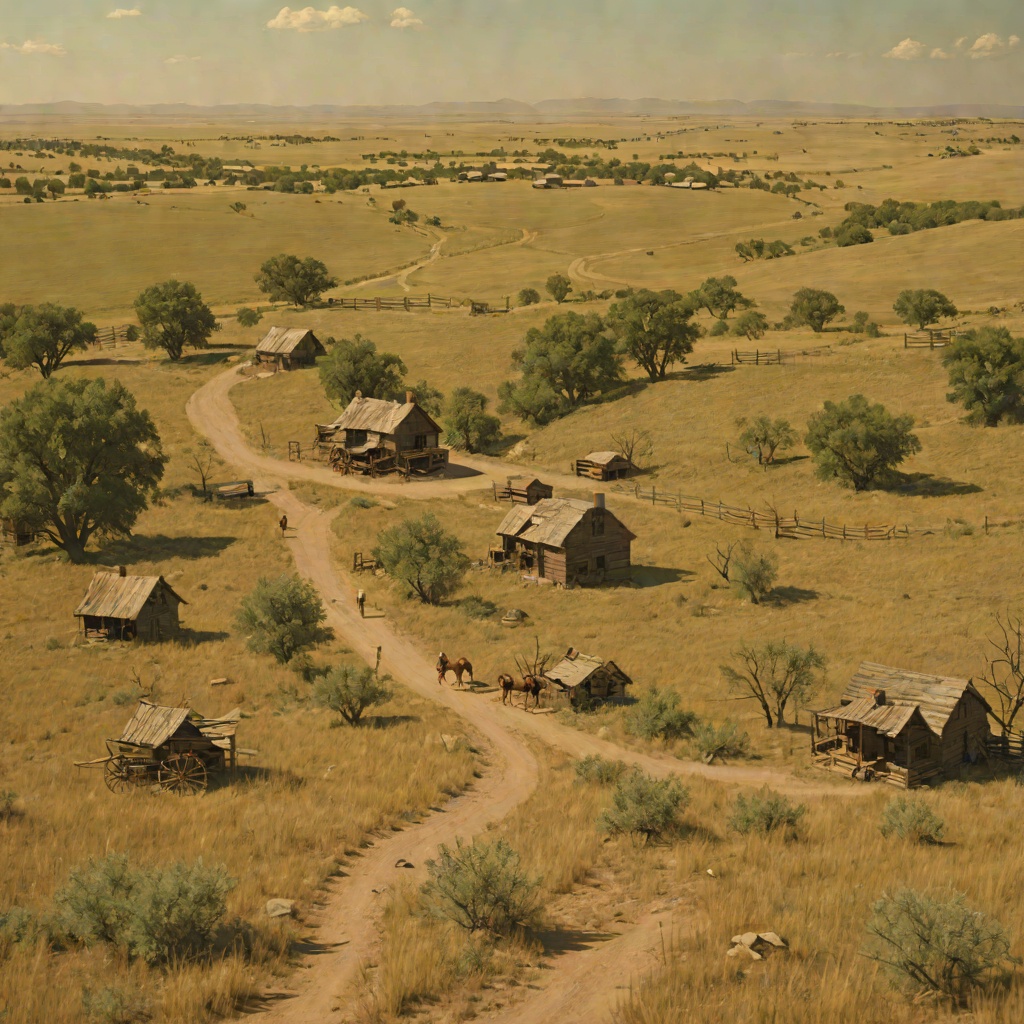
The family's journey takes them across Wisconsin, Minnesota, Iowa, and Missouri, with their dog Jack walking along under the wagon the whole way. Pa sits up front holding the reins, Ma sits next to him straight and quiet, and Baby Carrie sleeps in soft blankets in the back. As they cross Kansas, they see nothing but endless flat land covered with tall grass and a big sky, with nothing new to do or look at. This monotony of the journey contrasts sharply with the comforts they left behind in Wisconsin. When Laura asks if she can get out and run behind the wagon because her legs are tired, Ma simply says "No, Laura," and when Laura complains she is hungry and wants to camp, Ma says only "Laura," a single word that carries the full weight of maternal authority. The memory of Wisconsin's comfortable house and warm fire makes the hardship of the trail more acute, yet the family pushes on, driven by Pa's vision of a better life in the West.
A Touchstone of Memory
Wisconsin remains a reference point for the family long after they have settled on the High Prairie. When Pa and Ma and Mr Edwards sit by the fire after their Christmas dinner, they talk about Christmas times back in Wisconsin, recalling the traditions and comforts of their old home. This conversation places Wisconsin in the past as a place of remembered warmth and community, even as the family builds a new life in Indian Territory. The contrast between the two places is also implicit in the family's new home. When Pa finishes building the house, he tells Ma that before winter comes he will make a wood floor and a solid roof, but that must wait until he finishes helping Mr Edwards and building a stable. He declares, "We're going to do well here, Caroline. We'll be happy here for the rest of our lives." This promise of permanence echoes the comfort they had in Wisconsin, but it is made in a place where wolves howl outside the walls and Indians are near. The memory of Wisconsin's solid, comfortable house makes the rough log cabin on the prairie feel both like a step backward and a step toward something new.
The Meaning of Leaving
The departure from Wisconsin is not just a physical journey but a philosophical one. Pa explains to Laura that when white settlers arrive in a place, the Indians have to move away from there, and that the government makes them. He says, "That's why we're here. Lots of white people are going to come and live here. We came first to choose the best land." This logic, which justifies the family's presence in Indian Territory, is the same logic that drove them from Wisconsin. Wisconsin was once wild, but it became too crowded, and so the family moved on, repeating the pattern of settlement and displacement. At the end of the book, as the family leaves their little house on the prairie, Pa says, "It's a great country, Caroline. But there will be wild Indians and wolves here for many years." This statement acknowledges that the land they are leaving will not be tamed quickly, and that the cycle of moving on will continue. Wisconsin, as the starting point, is the first instance of this pattern, the place where the family learned that home is not permanent but something to be built, enjoyed, and then left behind. Laura's final thought, that "you never know what will happen next, nor where you will be tomorrow, when you are travelling in a covered wagon," captures the spirit of restlessness that began with the decision to leave Wisconsin and defines the family's entire journey.